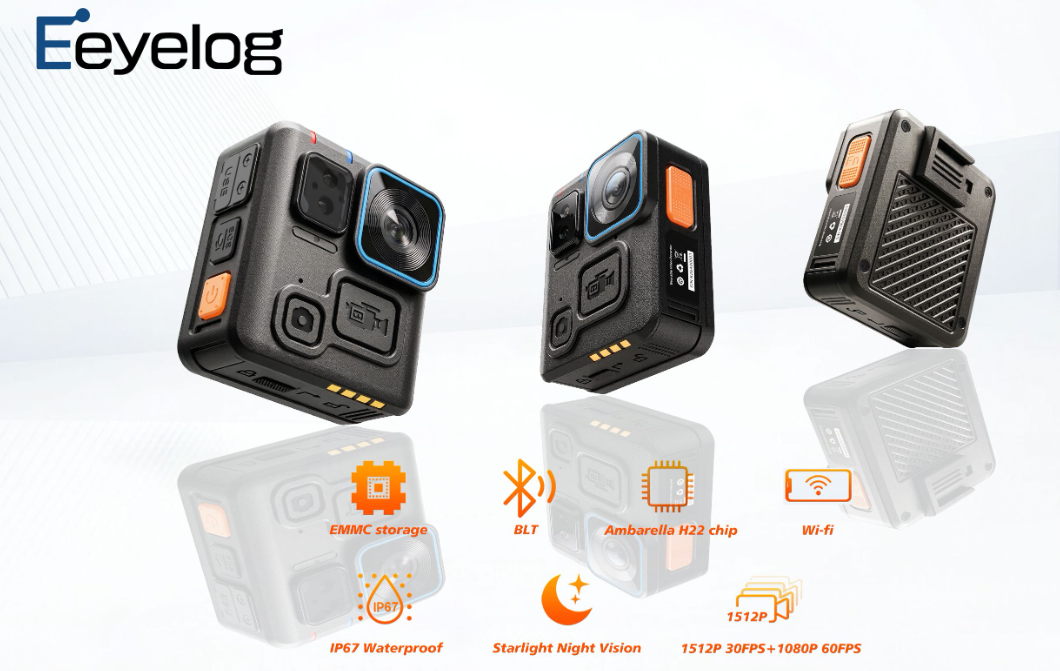
Starlight vs Infrared Night Vision: What Your Camera Really Sees After Dark
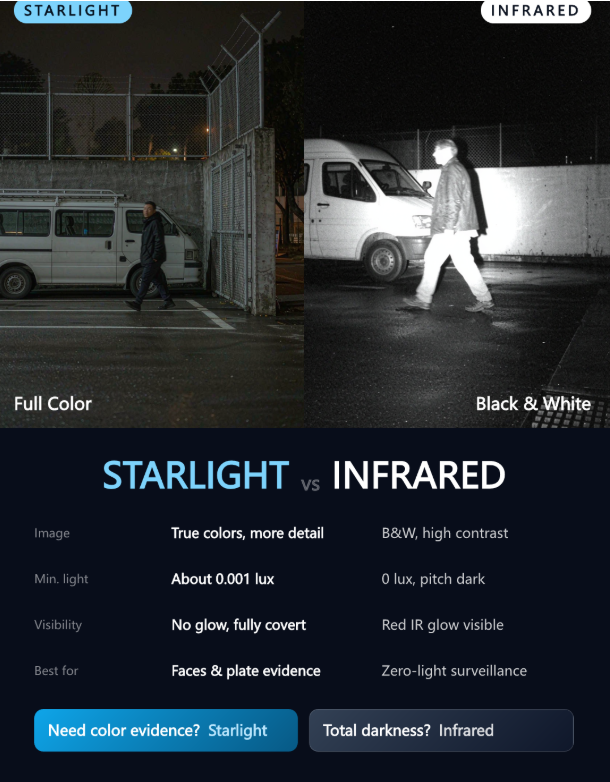
Two ways to see in the dark
Infrared night vision uses built-in IR LEDs. The camera fires invisible light at the scene, it bounces back, and the camera builds a picture from it. The result is a black-and-white image, and the IR LEDs glow faint red while they run.
Starlight night vision takes a different route. Instead of adding light, it uses a high-sensitivity sensor that can squeeze a usable picture out of the tiny amount of light already around — moonlight, street lamps, a shop sign, a passing car. No floodlight. Just a smarter sensor.
1. Color, not just shapes
This is the difference officers notice first. IR night vision hands you a black-and-white recording: a dark jacket, a dark car, dark trousers, all the same grey. A starlight camera keeps the color — a blue jacket, a red car, a specific shirt.
In an evidence file, "the suspect wore a red jacket" is worth far more than "the suspect wore a dark jacket." Color is a detail you cannot add back after the fact.
2. No red glow — nobody knows you are recording
IR LEDs emit a visible red glow. Anyone in front of the camera can see it, which tells them exactly where you are and that they are being filmed.
Starlight night vision is completely dark. There is no glow, no warning, no attention drawn. That matters for officer safety, for covert deployment, and for capturing natural behavior instead of a subject staring straight into a light.
3. No blown-out highlights
IR light bounces hard off reflective surfaces — number plates, glasses, windows, shiny jackets. The result is a white blob where the detail should be, and subjects standing close to the camera get overexposed and unrecognisable.
Because starlight works with ambient light rather than a beam aimed at the scene, that hotspot problem largely disappears. Faces stay readable, plates stay readable, and the image looks natural instead of washed out.
4. Lower power draw, longer runtime
IR LEDs are bright, and bright costs battery. Running them all night drains the pack quickly and adds heat to a camera that is already worn against the body.
A starlight sensor does the work passively. Less drain, less heat, longer usable shift time — and the camera runs cooler and more comfortably.
The honest trade-off Starlight needs some light. In a sealed, windowless room with zero light, IR still wins because IR creates its own illumination.
In the real world, though, total darkness is rare. Streets, car parks, doorways, and patrol routes almost always have some ambient light — and that is exactly where starlight quietly outperforms IR, in color and in clarity.
What this means for you If your recordings are used as evidence, night vision is not just about "can we see something." It is about whether what you capture is detailed enough to matter.
Do you want to see the difference side by side? Talk to our team about our latest starlight night vision body worn cameras.
eMMC vs SD Card: Why the Storage Inside Your Body Camera Matters More Than You Think
Related Article
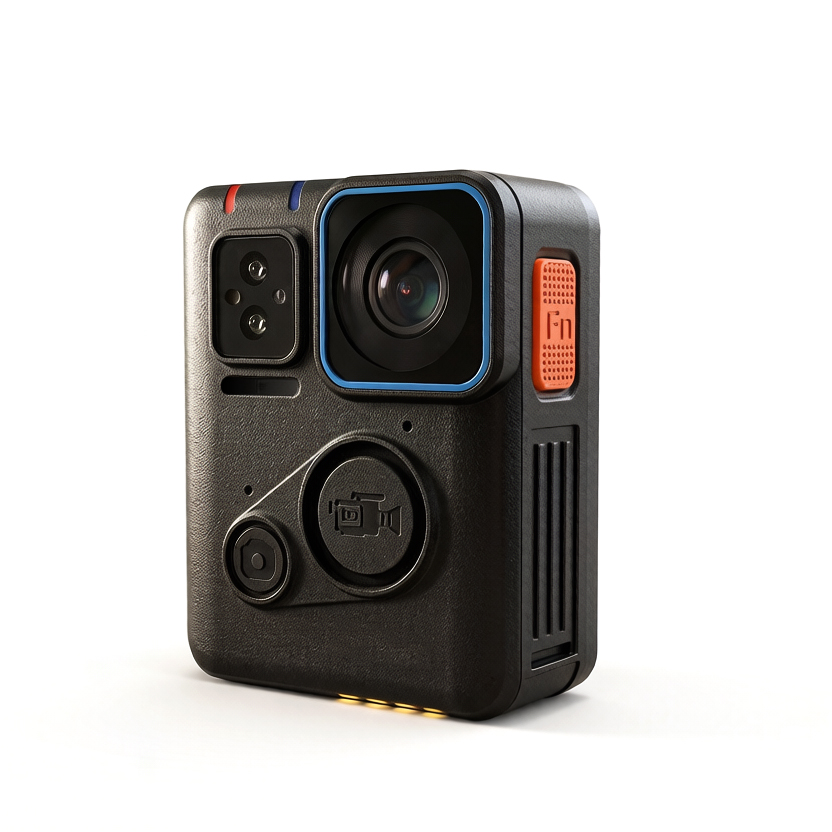
Two options dominate: SD cards and eMMC. On paper it looks like a small technical detail. In the field, it changes everything.
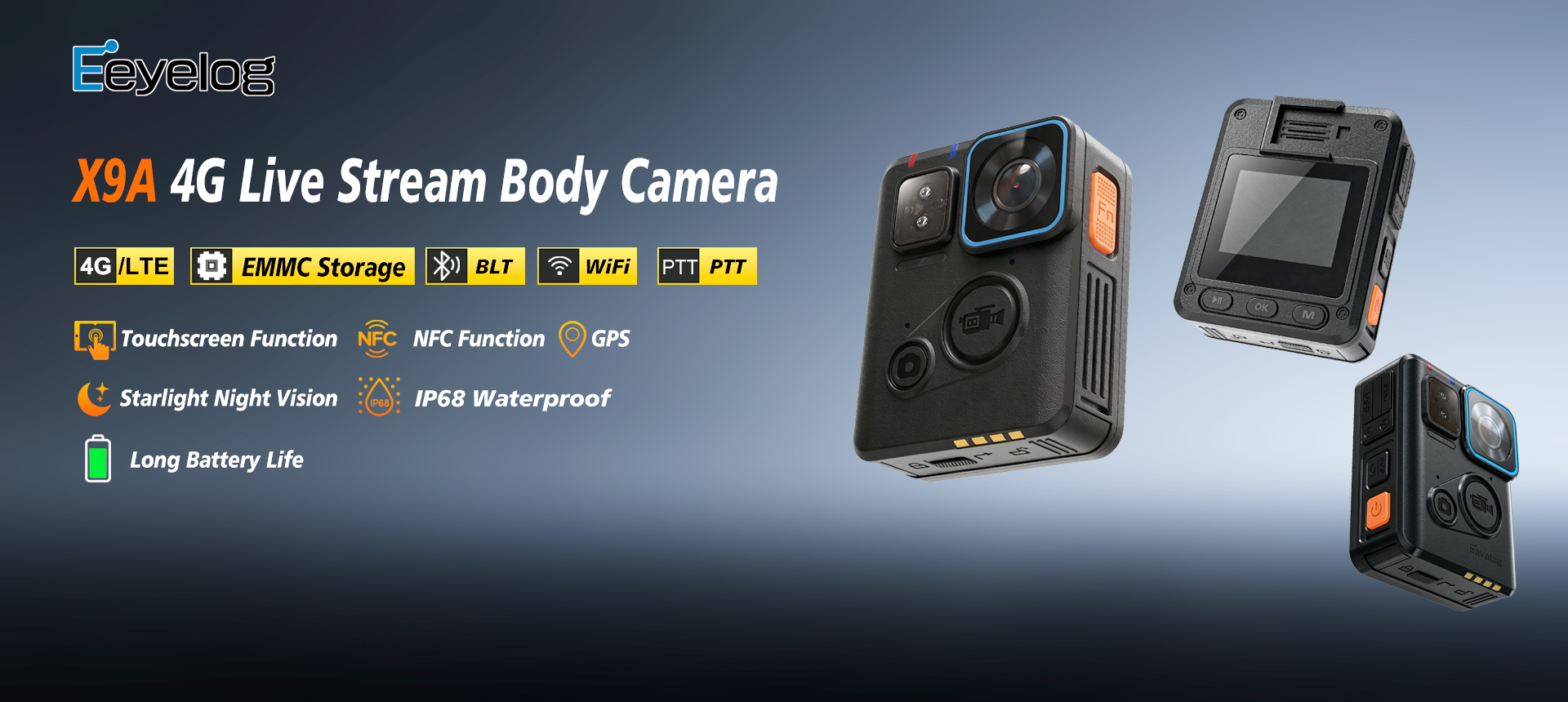
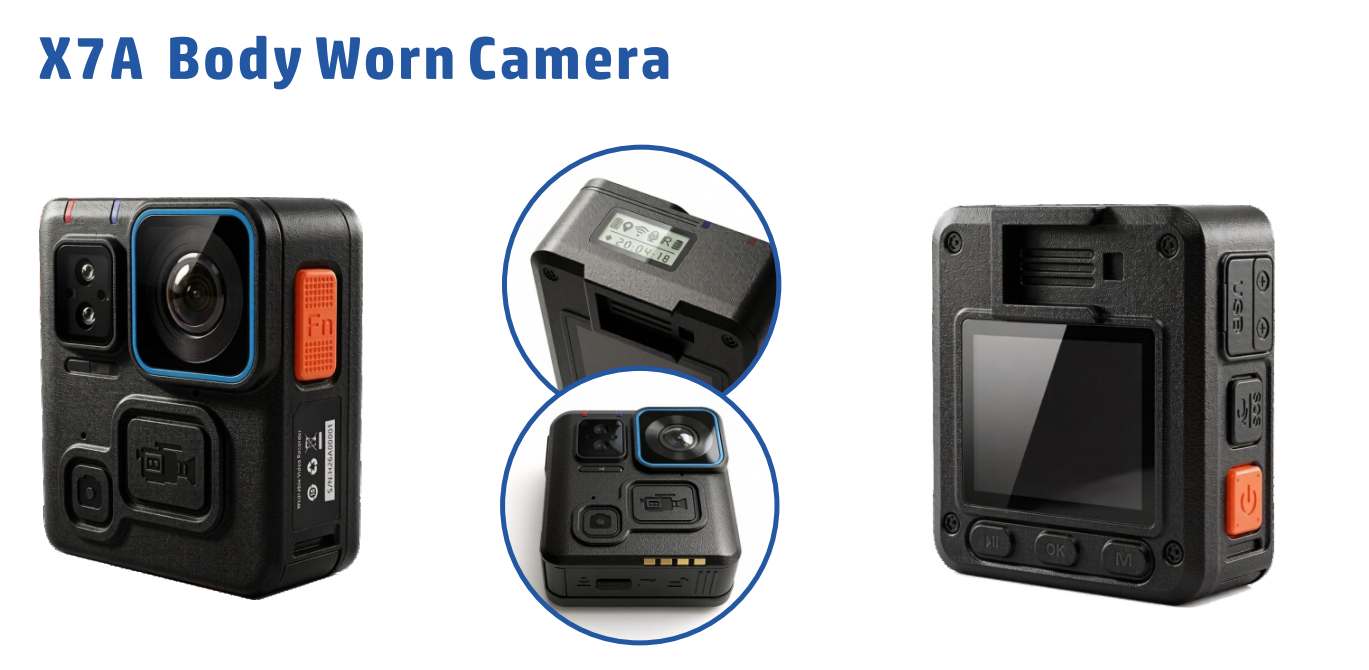
All X7 models feature the same exterior design, core functions, and performance, including ultra HD starlight night vision, IP68 rugged build, Bluetooth & wireless connectivity, and one-touch emergency recording.