
X9-New 4G Body Camera-Bluetooth, WIFI, Starlight Night Vision and NFC
2026-09-01
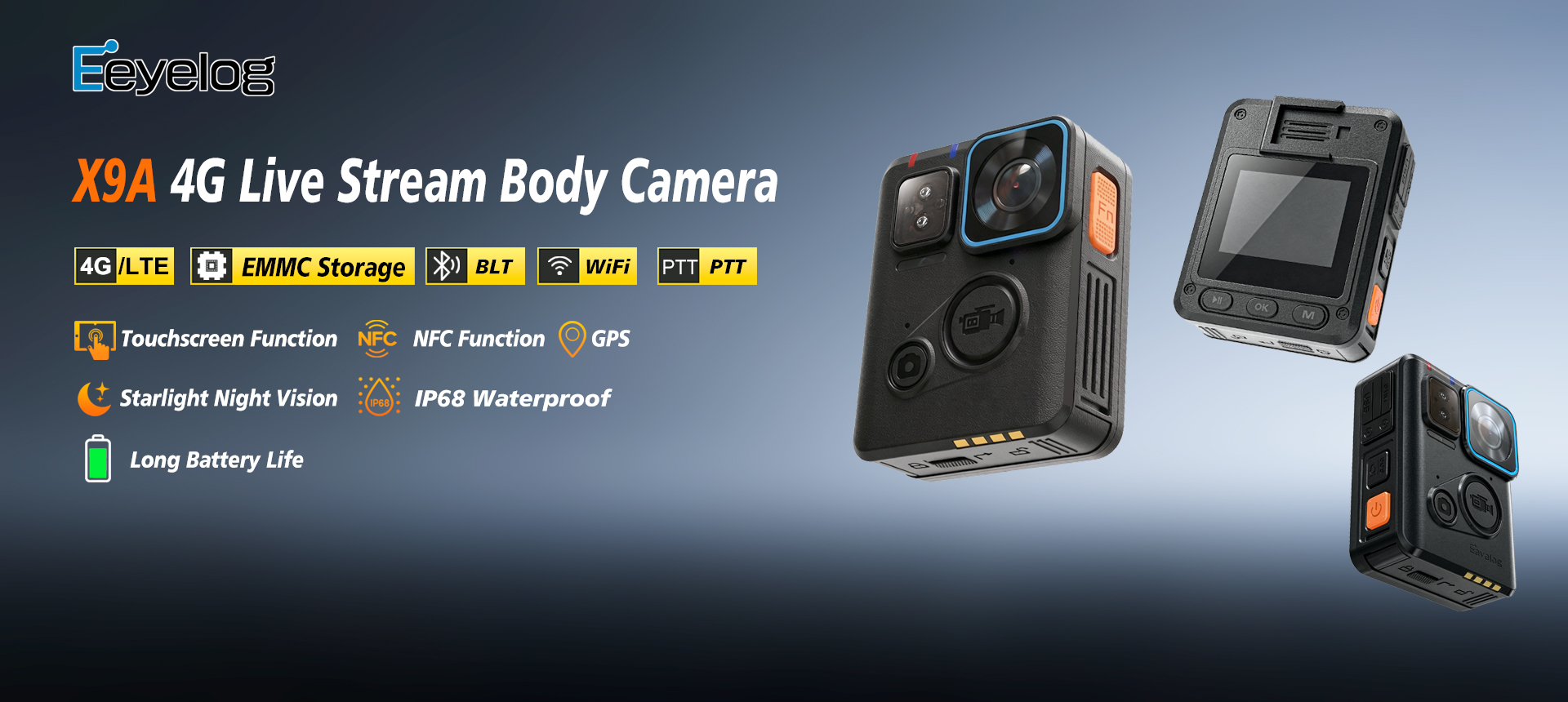
eMMC vs SD Card: Why the Storage Inside Your Body Camera Matters More Than You Think
Differences between X7 Series Body Worn Camera
Related Article

Night vision is one of the first things buyers check on a body worn camera — and one of the most misunderstood. Two technologies do most of the work: infrared (IR) and starlight. Both let you record after dark. What they actually capture is very different.
Starlight vs Infrared Night Vision: What Your Camera Really Sees After Dark
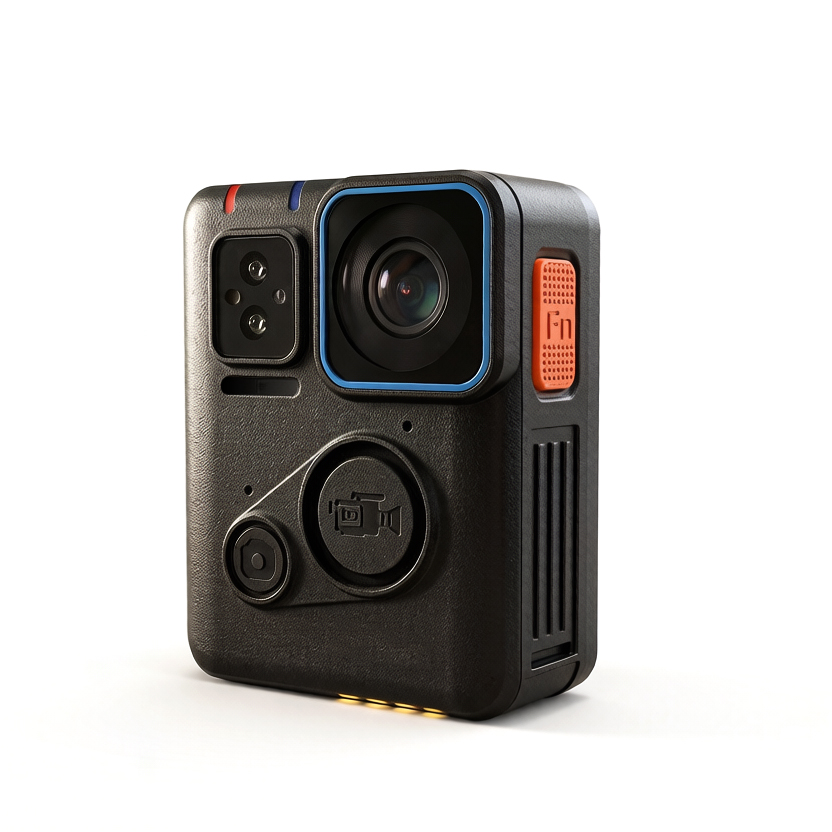
When you compare body worn cameras, it is easy to focus on resolution, battery life, and field of view. But there is one component that quietly decides whether your footage survives the day — the storage inside it.
Two options dominate: SD cards and eMMC. On paper it looks like a small technical detail. In the field, it changes everything.
Two options dominate: SD cards and eMMC. On paper it looks like a small technical detail. In the field, it changes everything.
eMMC vs SD Card: Why the Storage Inside Your Body Camera Matters More Than You Think
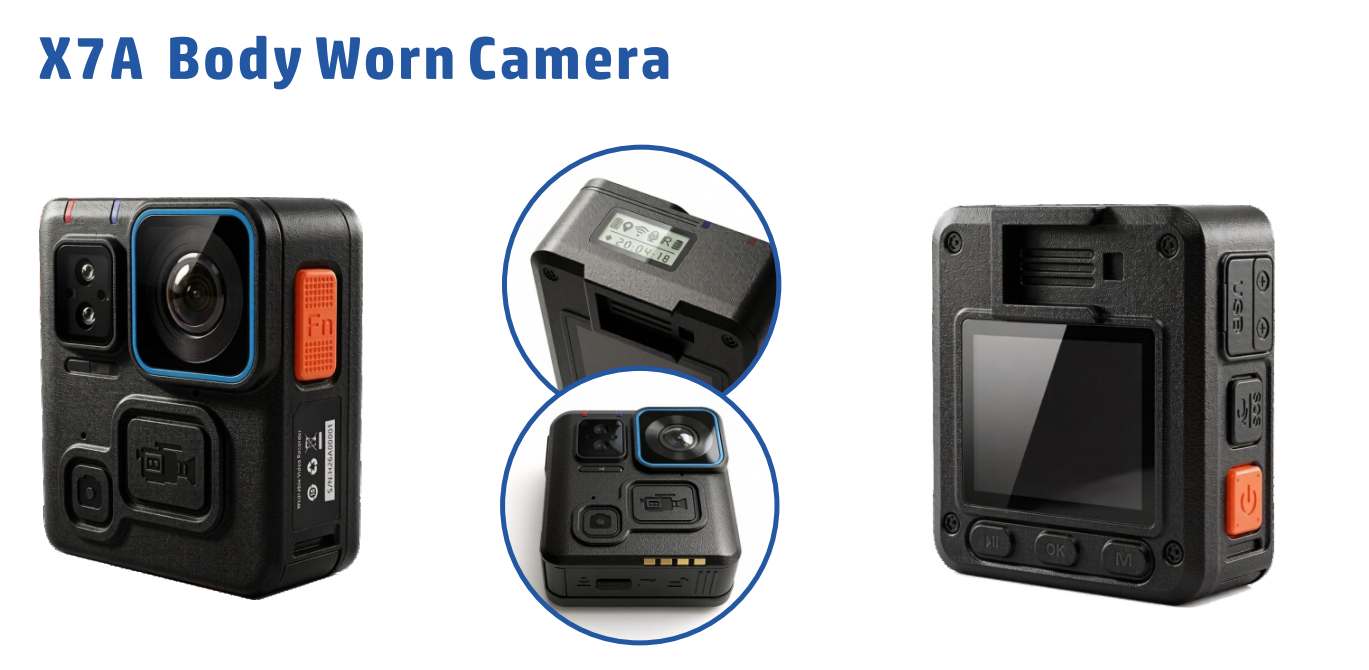
The Eeyelog X7 series is a professional line of body worn cameras for law enforcement, traffic supervision, riot control, and security evidence collection.
All X7 models feature the same exterior design, core functions, and performance, including ultra HD starlight night vision, IP68 rugged build, Bluetooth & wireless connectivity, and one-touch emergency recording.
All X7 models feature the same exterior design, core functions, and performance, including ultra HD starlight night vision, IP68 rugged build, Bluetooth & wireless connectivity, and one-touch emergency recording.
Differences between X7 Series Body Worn Camera
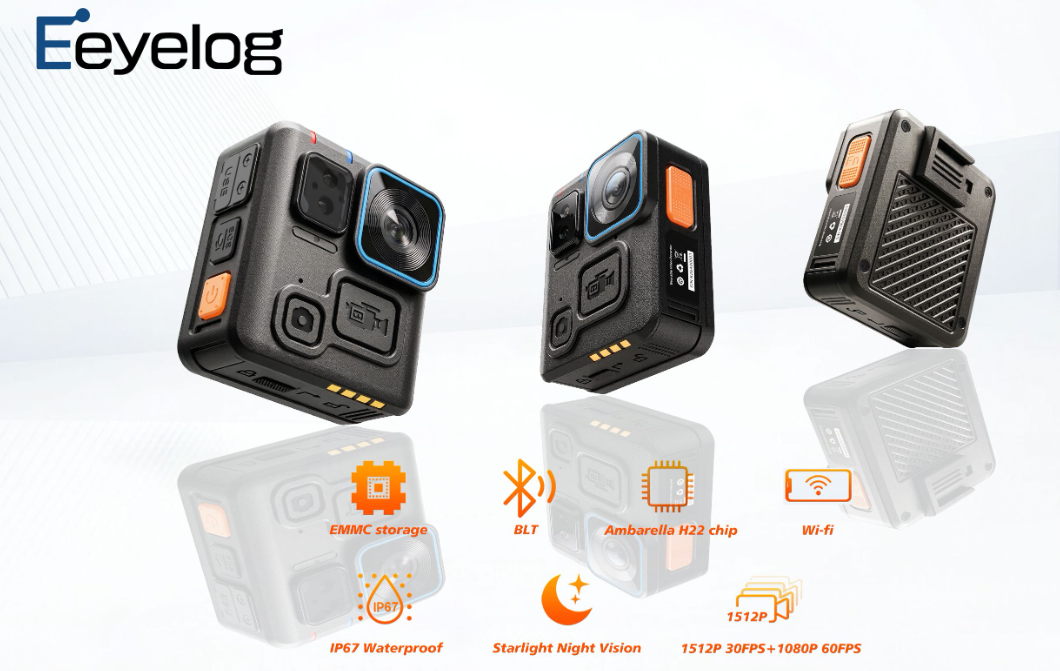
Eeyelog, a trusted manufacturer of professional body-worn video recording devices, officially launches its brand-new X7 Body Worn Camera, engineered to deliver reliable, high-performance recording for evidence collection, traffic law enforcement, riot control and all frontline public safety missions.
Eeyelog Releases New X7 Body Worn Camera for Law Enforcement & Security