eMMC vs SD Card: Why the Storage Inside Your Body Camera Matters More Than You Think
Two very different ways to store the same video
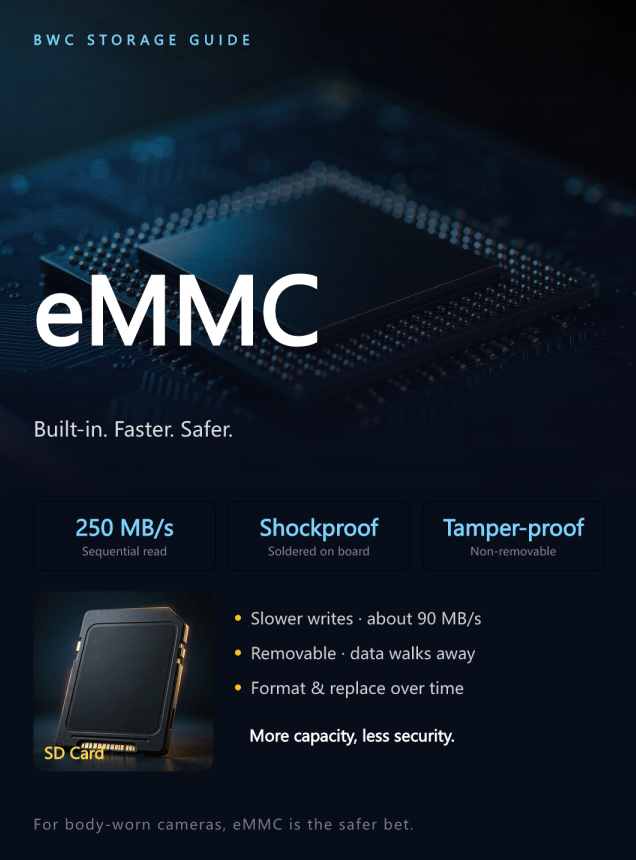
An SD card is a separate, removable card that slides into a slot. An eMMC chip is soldered directly onto the camera's main board — it is part of the device itself, not an accessory you can pop in and out.
That single difference changes almost everything that follows.
1. Nothing can come loose An SD card depends on a physical connector.
Every drop, bump, and vibration in the field puts pressure on that connection. Over time, contacts wear, oxidize, or simply work loose — and a camera that "loses" its card mid-shift is a camera that loses evidence.
With eMMC there is no card and no slot. The storage is fixed in place, so shock, vibration, dust, and rain have nothing to attack. It keeps recording when a card-based camera might not.
2. Faster, steadier performance
SD cards are built for general use, so their write speed can vary — especially during long continuous recording. When a card falls behind, you get dropped frames, stuttering, or corrupted files.
eMMC is designed for embedded systems. It delivers consistent read and write speeds, which means smoother 2K or 4K footage, quicker start-up, and faster file transfers at the end of a shift. It also handles many small files at once far more gracefully.
3. Safer when the power cuts
Officers rarely shut a body camera down politely. They dock it — and power is cut instantly. If a card is halfway through writing, that file, and sometimes the whole card, can be damaged.
eMMC includes built-in power-loss protection. Data already recorded stays intact even when the battery dies or the camera is pulled off the dock.
4. Evidence that stays where it belongs
A removable card is removable by anyone. eMMC cannot be pulled out, swapped, or pocketed. Combined with hardware encryption, footage stays locked inside the device until an authorized user offloads it — a real advantage for chain of custody.
5. Built to last longer
Cards wear out through repeated insert and remove cycles, and through their own memory limits. An embedded eMMC chip removes the mechanical wear entirely and manages its memory more intelligently, giving the camera a longer and far more predictable service life.
What this means for you
If your team records for evidence, storage is not a spec sheet footnote. It is the difference between footage you can use and footage you cannot.
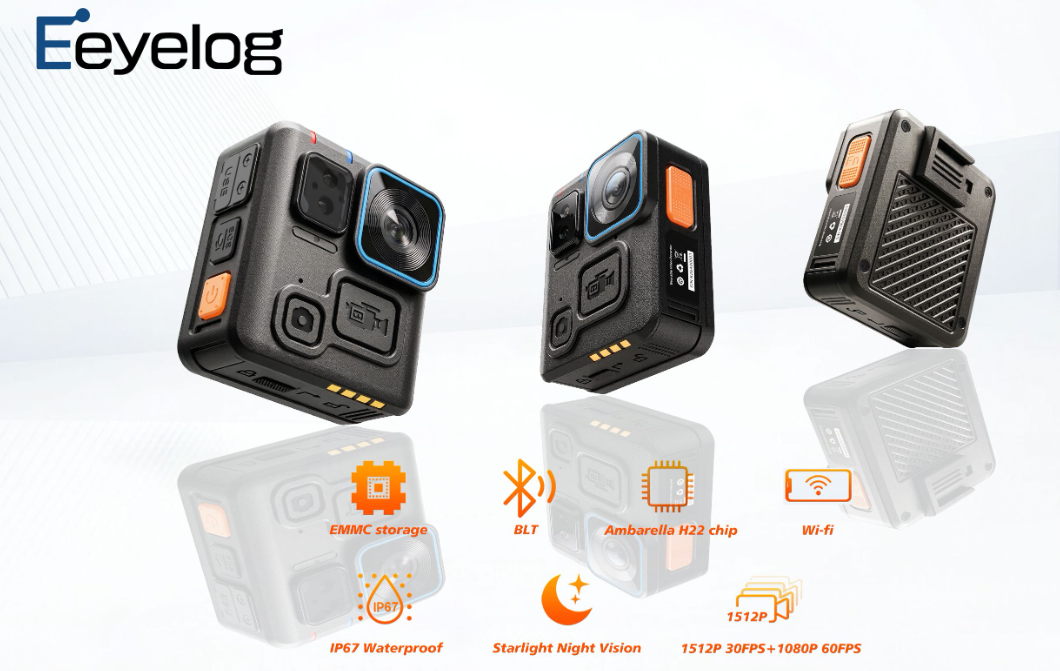
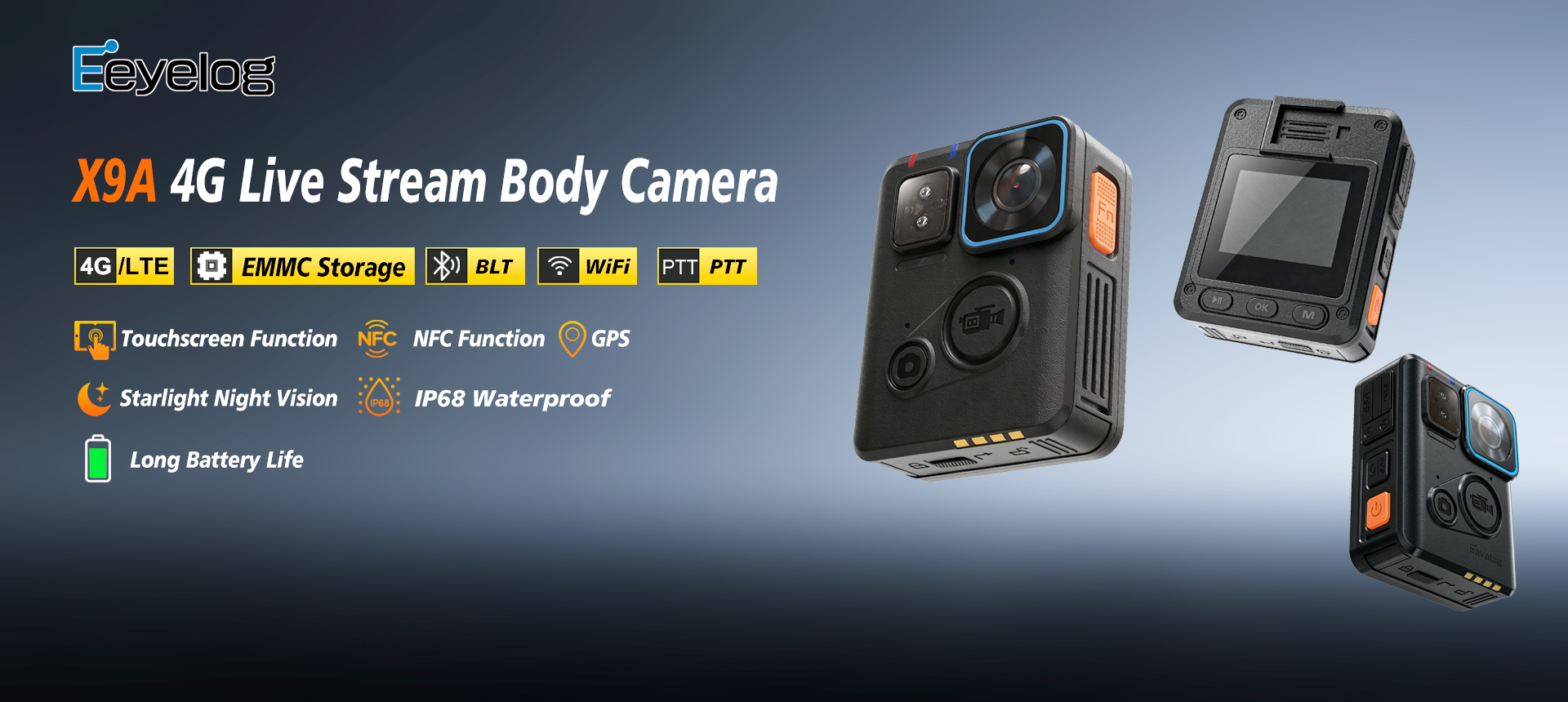
That is why our new X7 and X9 series body worn cameras are built with eMMC storage instead of SD cards. No card to lose, no slot to fail, and no gap in your recordings.
Want to see the difference on your next deployment? Talk to our team about the X7 and X9.
Starlight vs Infrared Night Vision: What Your Camera Really Sees After Dark
X9-New 4G Body Camera-Bluetooth, WIFI, Starlight Night Vision and NFC
Related Article

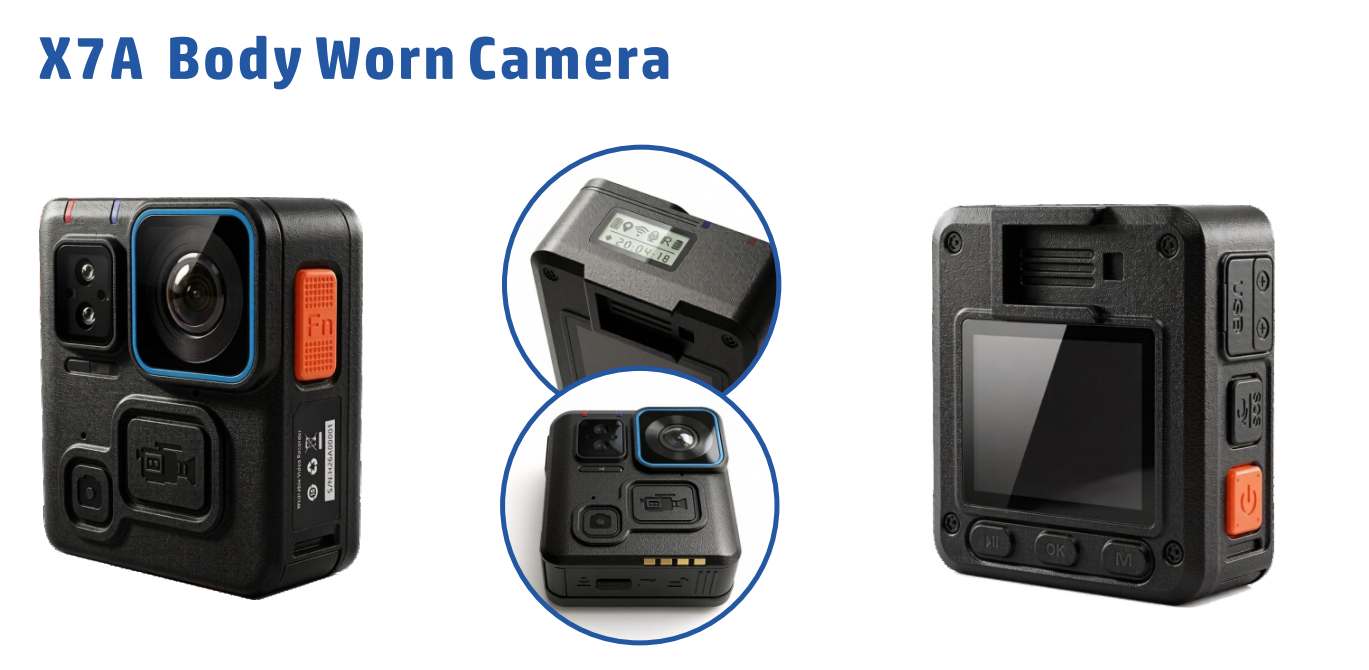
All X7 models feature the same exterior design, core functions, and performance, including ultra HD starlight night vision, IP68 rugged build, Bluetooth & wireless connectivity, and one-touch emergency recording.