6 Benefits of Body-Worn Cameras for Fire and Rescue

1.
Deterring and De-Escalating Violence and Aggression
Attacks on firefighters are at a record high. According to the National Fire Chiefs Council, 983 firefighters were assaulted in the UK in the year leading up to April 2022, a 5% rise from the previous year. The presence of a body camera, especially one with a front-facing screen, is proven to have a calming effect and can help to deter aggressive behavior by serving as a reminder to members of the public that their actions will be recorded and to behave appropriately.
2.
Enhancing Situational Awareness and Decision-Making
By using body-worn cameras, senior officers in the command centre can gain real-time insights into every facet of an incident. This aids in making informed decisions to effectively tackle fires. Additionally, these cameras help in determining the necessary resources and their optimal placement. They also improve situational awareness by capturing initial decisions on the operational ground.
3.
Capturing First-Hand Video and Audio Recording
Body worn cameras act as an impartial witness, capturing video and audio recordings wherever firefighters work, whether in public areas or people's homes. They provide greater transparency and accountability, delivering clear visual and audio evidence for in-depth fire investigations, officer conduct reviews, and incidents of abuse or anti-social behaviour. Additionally, they raise the chances of conviction and decrease the need for lengthy reports and court processes.
4.
Recording Critical Decisions within CAD Rooms
Documenting the decisions made by the Force Incident Manager during a major incident is crucial for the conduct of a post-incident review. Body-worn cameras, capable of capturing high-definition audio and visual recordings, enable the clear documentation of information sources and the exchanges made within the CAD room. Footage is secured in an unalterable format, ensuring that, for the purpose of transparency, a comprehensive and unedited account of events can be compiled for any subsequent investigations,

5.
Improving the Wellbeing and Confidence of Fire and rescue Teams
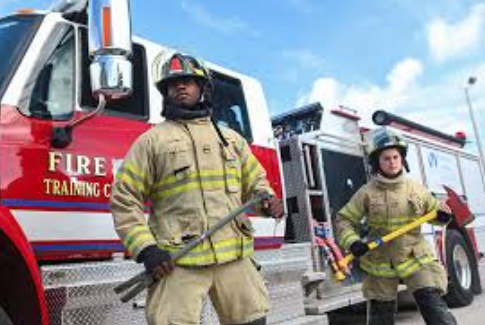
With a reported 60 injuries last year, some of which required hospital care, the safety and assurance of fire and rescue teams is paramount. Body-worn cameras provide subtle yet essential support, enhancing firefighters' sense of security and contributing to their overall wellbeing.
6.
Enhancing Training and Learning for Fire and Rescue Teams
Analysing past incident footage is a vital learning resource for firefighters and fire safety teams, and can promote the sharing of best practice. It also enhances conflict management training, ensuring teams are ready to manage hostile situations safely in the future.
Body cameras now mandatory for policemen
Police body camera ramp up started a decade ago. How well have they worked?