The Future of Body-Worn Cameras
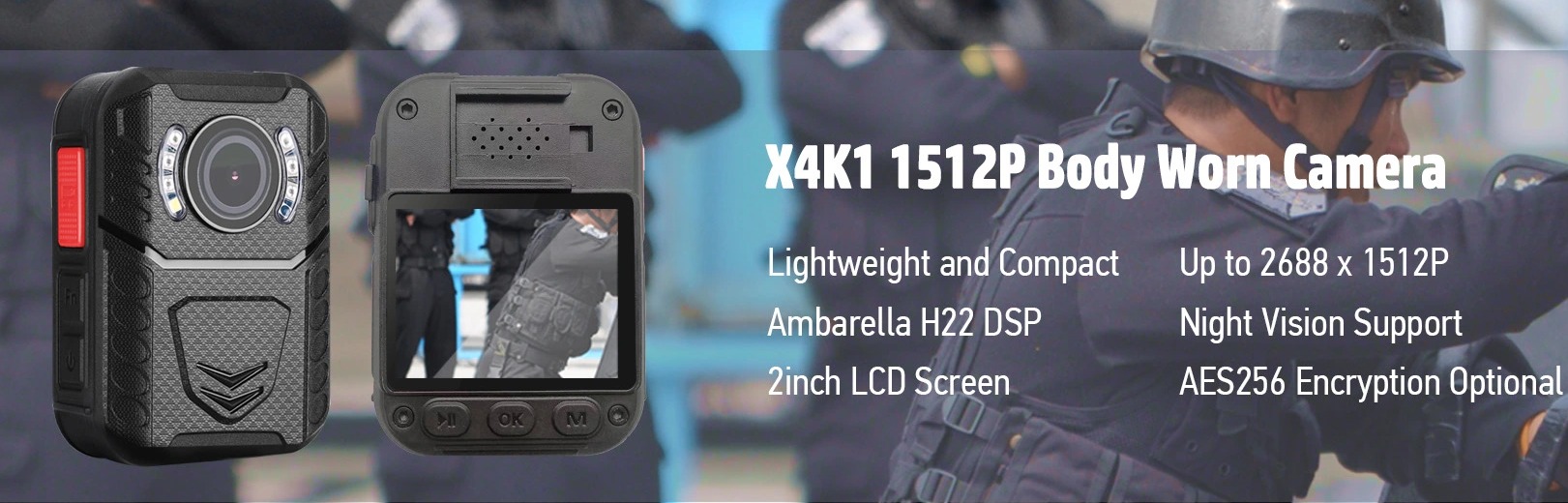
Body-worn cameras (BWCs) have become an integral part of contemporary policing in many countries around the world. The widespread adoption of this technology has stimulated ongoing debates about whether BWCs can, in fact, improve policing or lead to any significant changes to law enforcement practices. This article will discuss the potential future of body-worn cameras and how they could evolve to enhance their effectiveness as a tool for law enforcement agencies.
Firstly, the development of artificial intelligence (AI) could advance the use of body-worn cameras. AI may enable real-time transcription of spoken conversations and object recognition, alerting officers of potential danger or pre-emptive orders based on what is being heard or viewed. Furthermore, AI systems may enable greater accuracy in the annotation of recordings, making them more accessible for training, evaluation and data analysis purposes.
Secondly, advancements in data analytics, storage and management may improve video retention and provide more practical data analysis. The capability of preserving and analyzing recordings can be a valuable way to improve policing practices continually. Properly managed, data that is collected from BWCs may uncover trends in misdemeanors and crime or help identify any areas where regulatory or policy issues exist.
Thirdly, body-worn camera technology can be used beyond law enforcement agencies. For example, the construction industry can use body-worn cameras to monitor employee safety protocols in hazardous locations that require specific safety precautions. Body cameras may improve personnel training in fields such as medicine or logistics, where practical applications can be well implemented.
Finally, as technology has gotten smaller, lighter, and more efficient, wearable technology has spread further beyond a strictly law enforcement context to be used in "smart clothing" that includes health monitoring and activity tracking. These BWC are being tested that would be able to integrate biometric monitoring and other types of health status indicators, some of which nanotechnologists have been experimenting with for delivery into the body through a wearable device.
In conclusion, it is clear that advancements in AI, data analysis and other technologies will increase the potential benefits of using body-worn cameras in the future. While progress in these fields presents significant opportunities, it is equally important to put ethical considerations at the forefront of any development. If appropriately managed, the future of BWCs may enable more accountable, transparent and effective policing practices, with significant benefits for the communities they serve.
The Role of Law Enforcement Records in Civil Lawsuits
The Ethics of Body-Worn Cameras