The Role of Body Cameras in Modern Policing
2025-03-06
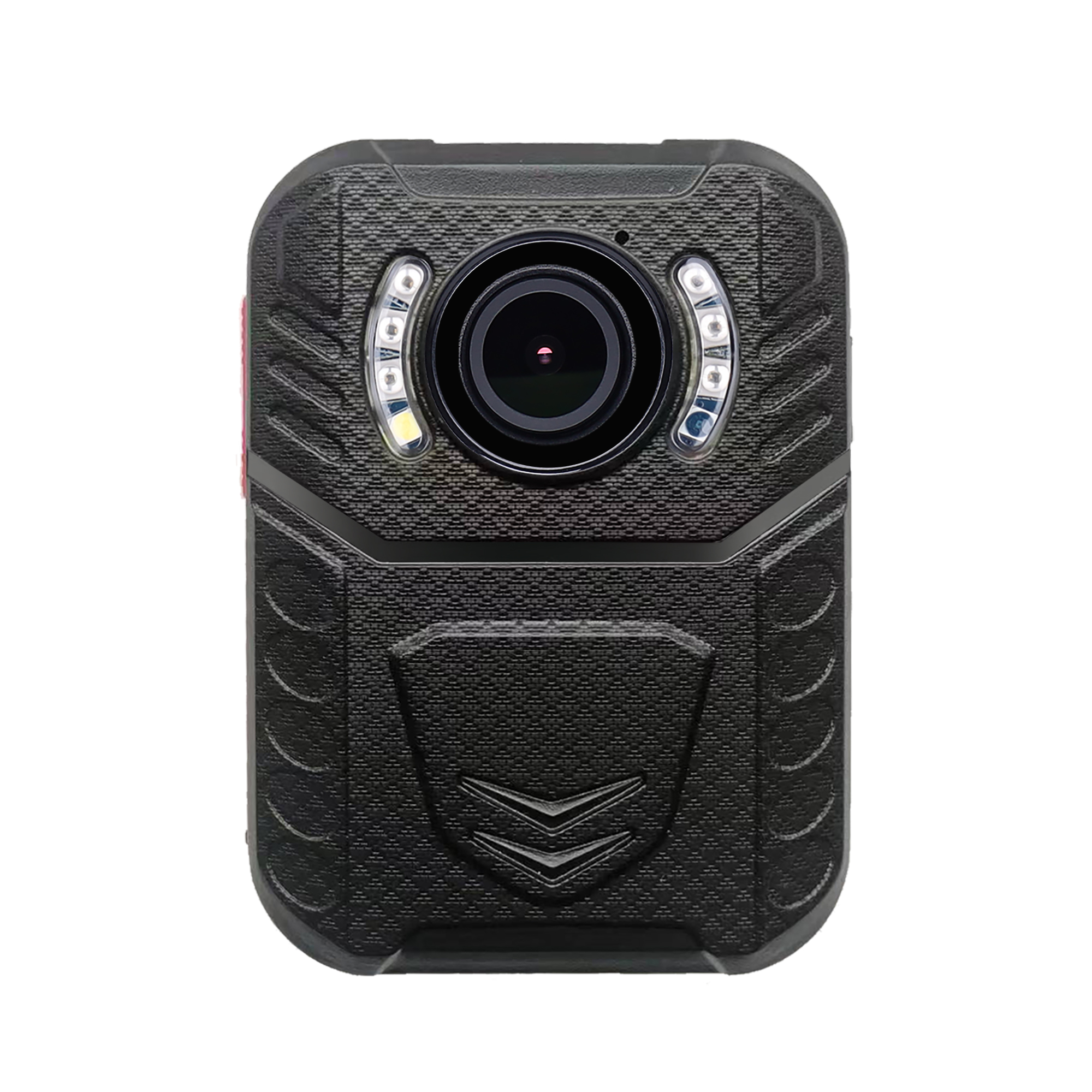
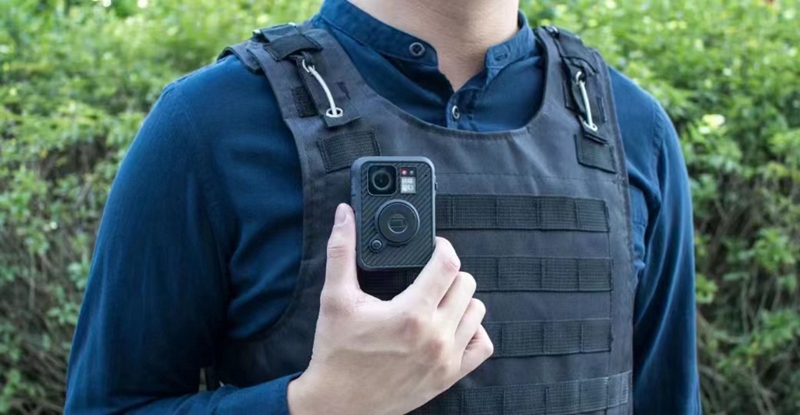
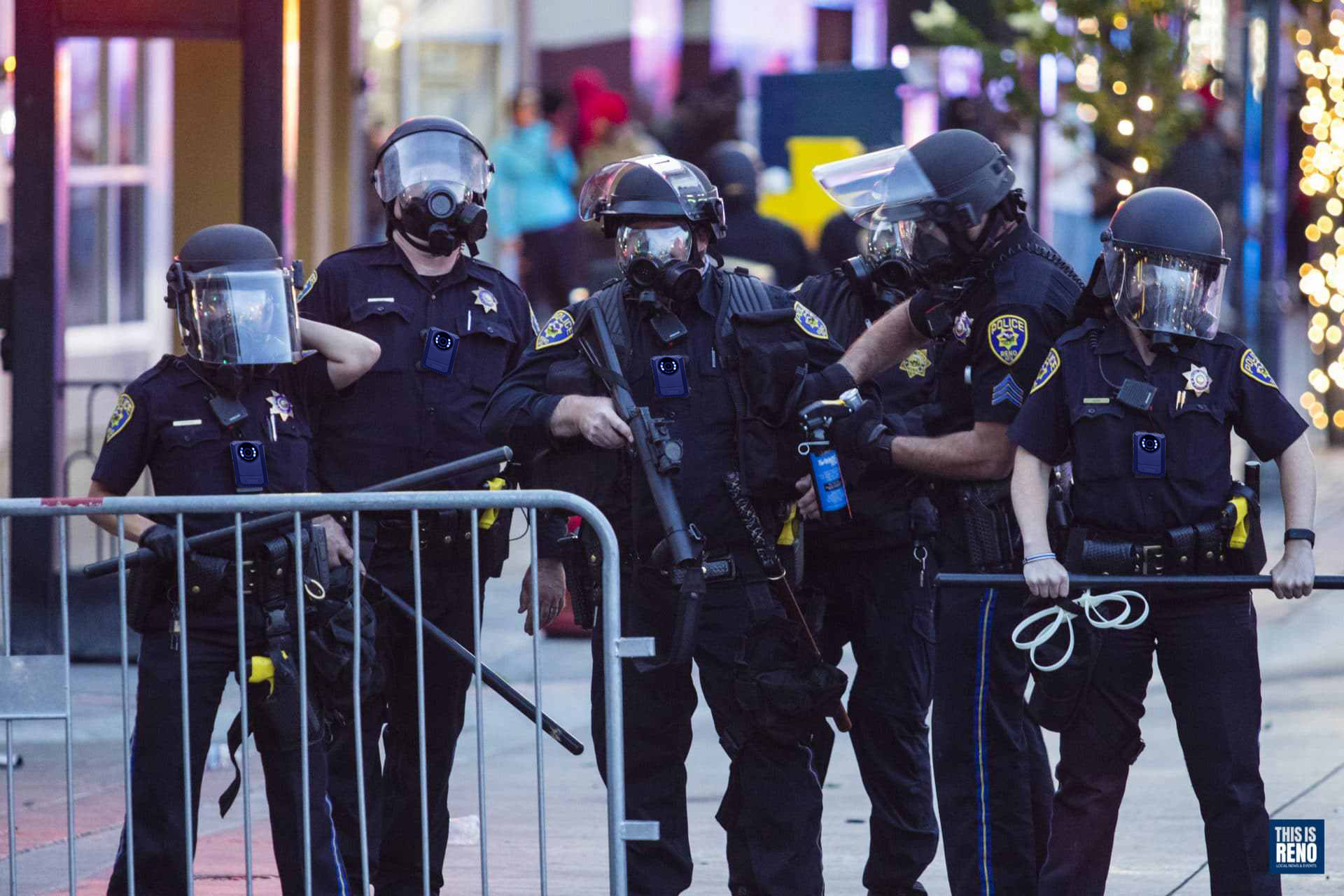
In recent years, body-worn cameras (BWCs) have become a ubiquitous tool in modern policing. These small devices, typically attached to an officer’s uniform, record audio and video of interactions between law enforcement and the public. Initially introduced as a means to enhance transparency and accountability, body cameras have since evolved into a multifaceted tool with significant implications for law enforcement practices, public trust, and the justice system. This article explores the role of body cameras in modern policing, examining their benefits, challenges, and the ways in which they are shaping the future of law enforcement.
---
#### **The Emergence of Body Cameras**
The use of body cameras in policing gained momentum in the early 2010s, driven by high-profile incidents of police misconduct and public demand for greater accountability. The fatal shooting of Michael Brown in Ferguson, Missouri, in 2014, and the subsequent protests that followed, highlighted the need for objective evidence in police-citizen interactions. Body cameras emerged as a potential solution, offering a way to document events as they unfolded and provide an unbiased record of encounters.
Since then, the adoption of body cameras has grown rapidly. In the United States, federal funding programs, such as the Body-Worn Camera Policy and Implementation Program, have supported the deployment of these devices in police departments across the country. Internationally, countries like the United Kingdom, Canada, and Australia have also embraced body cameras as a tool for enhancing transparency and accountability.
---
#### **Benefits of Body Cameras**
The primary benefit of body cameras lies in their ability to provide an objective record of police interactions. This footage can serve as critical evidence in investigations, court proceedings, and internal reviews, helping to establish the facts of a case and resolve disputes. For example, in cases where an officer’s use of force is questioned, body camera footage can provide clarity and context, ensuring that decisions are based on evidence rather than conflicting accounts.
Body cameras also have the potential to improve officer behavior and reduce incidents of misconduct. Knowing that their actions are being recorded, officers may be more likely to adhere to protocols and de-escalate conflicts. Studies have shown that the presence of body cameras can lead to a reduction in use-of-force incidents and complaints against officers, suggesting that these devices can foster more professional and respectful interactions.
For the public, body cameras offer a sense of accountability and transparency. In an era where trust in law enforcement is often strained, body cameras can help bridge the gap between police and the communities they serve. By providing an objective record of interactions, these devices can hold both officers and citizens accountable for their actions, promoting fairness and justice.
---
#### **Challenges and Limitations**
Despite their benefits, body cameras are not without challenges. One of the most significant issues is privacy. Recording interactions in public spaces raises concerns about the privacy of bystanders, while footage captured in private homes or sensitive locations can infringe on individuals’ rights. Striking a balance between transparency and privacy requires careful consideration, including the use of redaction technology to blur faces and strict guidelines on when and where cameras can be activated.
Another challenge is the cost of implementing and maintaining body camera programs. The initial purchase of cameras, coupled with the expenses of data storage, maintenance, and personnel training, can be a significant financial burden for police departments. While federal and state grants have helped offset these costs, many smaller agencies still struggle to fund body camera programs.
The effectiveness of body cameras also depends on how they are used. Officers may intentionally deactivate cameras during controversial incidents, undermining the purpose of the devices. Additionally, the interpretation of footage can be subjective, with different parties drawing varying conclusions from the same video. These limitations highlight the need for clear policies, training, and oversight to ensure that body cameras are used effectively and responsibly.
---
#### **Case Studies**
Several high-profile cases have demonstrated the impact of body cameras on policing and public perception. In 2017, the fatal shooting of Daniel Shaver by a police officer in Mesa, Arizona, was captured on body camera footage. The video, which showed Shaver complying with officers’ commands before being shot, sparked widespread outrage and raised questions about the use of force. The footage played a central role in the subsequent trial, highlighting the importance of body cameras in providing transparency and accountability.
Conversely, body cameras have also been used to exonerate officers in cases where their actions were justified. In 2020, body camera footage from a shooting in Minneapolis showed that the officer involved had acted in self-defense, providing critical evidence that supported the officer’s account. These cases underscore the dual role of body cameras in protecting both the public and law enforcement officers.
---
#### **The Future of Body Cameras in Policing**
As technology continues to evolve, the role of body cameras in policing is likely to expand. Emerging advancements, such as artificial intelligence (AI) and facial recognition, could enhance the capabilities of body cameras, enabling real-time analysis of footage and improved evidence collection. However, these technologies also raise ethical and privacy concerns that must be addressed to prevent misuse and ensure compliance with legal standards.
The future of body cameras will also depend on their integration into broader law enforcement strategies. For these devices to be effective, they must be part of a comprehensive approach that includes training, policy development, and community engagement. By fostering collaboration between law enforcement agencies, policymakers, and the public, body cameras can continue to serve as a tool for transparency, accountability, and trust.
---
#### **Conclusion**
Body cameras have become an integral part of modern policing, offering a way to document interactions, enhance accountability, and build public trust. While challenges such as privacy concerns, costs, and implementation issues remain, the benefits of these devices are undeniable. As technology advances and societal expectations evolve, body cameras will continue to shape the future of law enforcement, promoting fairness, transparency, and justice. By addressing the challenges and embracing the opportunities, we can ensure that body cameras fulfill their potential as a force for good in policing.
---
#### **The Emergence of Body Cameras**
The use of body cameras in policing gained momentum in the early 2010s, driven by high-profile incidents of police misconduct and public demand for greater accountability. The fatal shooting of Michael Brown in Ferguson, Missouri, in 2014, and the subsequent protests that followed, highlighted the need for objective evidence in police-citizen interactions. Body cameras emerged as a potential solution, offering a way to document events as they unfolded and provide an unbiased record of encounters.
Since then, the adoption of body cameras has grown rapidly. In the United States, federal funding programs, such as the Body-Worn Camera Policy and Implementation Program, have supported the deployment of these devices in police departments across the country. Internationally, countries like the United Kingdom, Canada, and Australia have also embraced body cameras as a tool for enhancing transparency and accountability.
---
#### **Benefits of Body Cameras**
The primary benefit of body cameras lies in their ability to provide an objective record of police interactions. This footage can serve as critical evidence in investigations, court proceedings, and internal reviews, helping to establish the facts of a case and resolve disputes. For example, in cases where an officer’s use of force is questioned, body camera footage can provide clarity and context, ensuring that decisions are based on evidence rather than conflicting accounts.
Body cameras also have the potential to improve officer behavior and reduce incidents of misconduct. Knowing that their actions are being recorded, officers may be more likely to adhere to protocols and de-escalate conflicts. Studies have shown that the presence of body cameras can lead to a reduction in use-of-force incidents and complaints against officers, suggesting that these devices can foster more professional and respectful interactions.
For the public, body cameras offer a sense of accountability and transparency. In an era where trust in law enforcement is often strained, body cameras can help bridge the gap between police and the communities they serve. By providing an objective record of interactions, these devices can hold both officers and citizens accountable for their actions, promoting fairness and justice.
---
#### **Challenges and Limitations**
Despite their benefits, body cameras are not without challenges. One of the most significant issues is privacy. Recording interactions in public spaces raises concerns about the privacy of bystanders, while footage captured in private homes or sensitive locations can infringe on individuals’ rights. Striking a balance between transparency and privacy requires careful consideration, including the use of redaction technology to blur faces and strict guidelines on when and where cameras can be activated.
Another challenge is the cost of implementing and maintaining body camera programs. The initial purchase of cameras, coupled with the expenses of data storage, maintenance, and personnel training, can be a significant financial burden for police departments. While federal and state grants have helped offset these costs, many smaller agencies still struggle to fund body camera programs.
The effectiveness of body cameras also depends on how they are used. Officers may intentionally deactivate cameras during controversial incidents, undermining the purpose of the devices. Additionally, the interpretation of footage can be subjective, with different parties drawing varying conclusions from the same video. These limitations highlight the need for clear policies, training, and oversight to ensure that body cameras are used effectively and responsibly.
---
#### **Case Studies**
Several high-profile cases have demonstrated the impact of body cameras on policing and public perception. In 2017, the fatal shooting of Daniel Shaver by a police officer in Mesa, Arizona, was captured on body camera footage. The video, which showed Shaver complying with officers’ commands before being shot, sparked widespread outrage and raised questions about the use of force. The footage played a central role in the subsequent trial, highlighting the importance of body cameras in providing transparency and accountability.
Conversely, body cameras have also been used to exonerate officers in cases where their actions were justified. In 2020, body camera footage from a shooting in Minneapolis showed that the officer involved had acted in self-defense, providing critical evidence that supported the officer’s account. These cases underscore the dual role of body cameras in protecting both the public and law enforcement officers.
---
#### **The Future of Body Cameras in Policing**
As technology continues to evolve, the role of body cameras in policing is likely to expand. Emerging advancements, such as artificial intelligence (AI) and facial recognition, could enhance the capabilities of body cameras, enabling real-time analysis of footage and improved evidence collection. However, these technologies also raise ethical and privacy concerns that must be addressed to prevent misuse and ensure compliance with legal standards.
The future of body cameras will also depend on their integration into broader law enforcement strategies. For these devices to be effective, they must be part of a comprehensive approach that includes training, policy development, and community engagement. By fostering collaboration between law enforcement agencies, policymakers, and the public, body cameras can continue to serve as a tool for transparency, accountability, and trust.
---
#### **Conclusion**
Body cameras have become an integral part of modern policing, offering a way to document interactions, enhance accountability, and build public trust. While challenges such as privacy concerns, costs, and implementation issues remain, the benefits of these devices are undeniable. As technology advances and societal expectations evolve, body cameras will continue to shape the future of law enforcement, promoting fairness, transparency, and justice. By addressing the challenges and embracing the opportunities, we can ensure that body cameras fulfill their potential as a force for good in policing.
The Indispensable Role of Body-Worn Cameras in Modern Law Enforcement
The Future of Body Cameras in Law Enforcement