The Future of Body Cameras in Law Enforcement
2025-03-06
Body cameras have become a cornerstone of modern policing, offering a lens through which law enforcement interactions can be recorded, reviewed, and analyzed. Since their introduction, these devices have been hailed as tools for accountability, transparency, and evidence collection. However, as technology evolves and societal expectations shift, the role of body cameras in law enforcement is poised for significant transformation. This article explores the future of body cameras, examining emerging trends, challenges, and the potential for these devices to reshape policing in the 21st century.
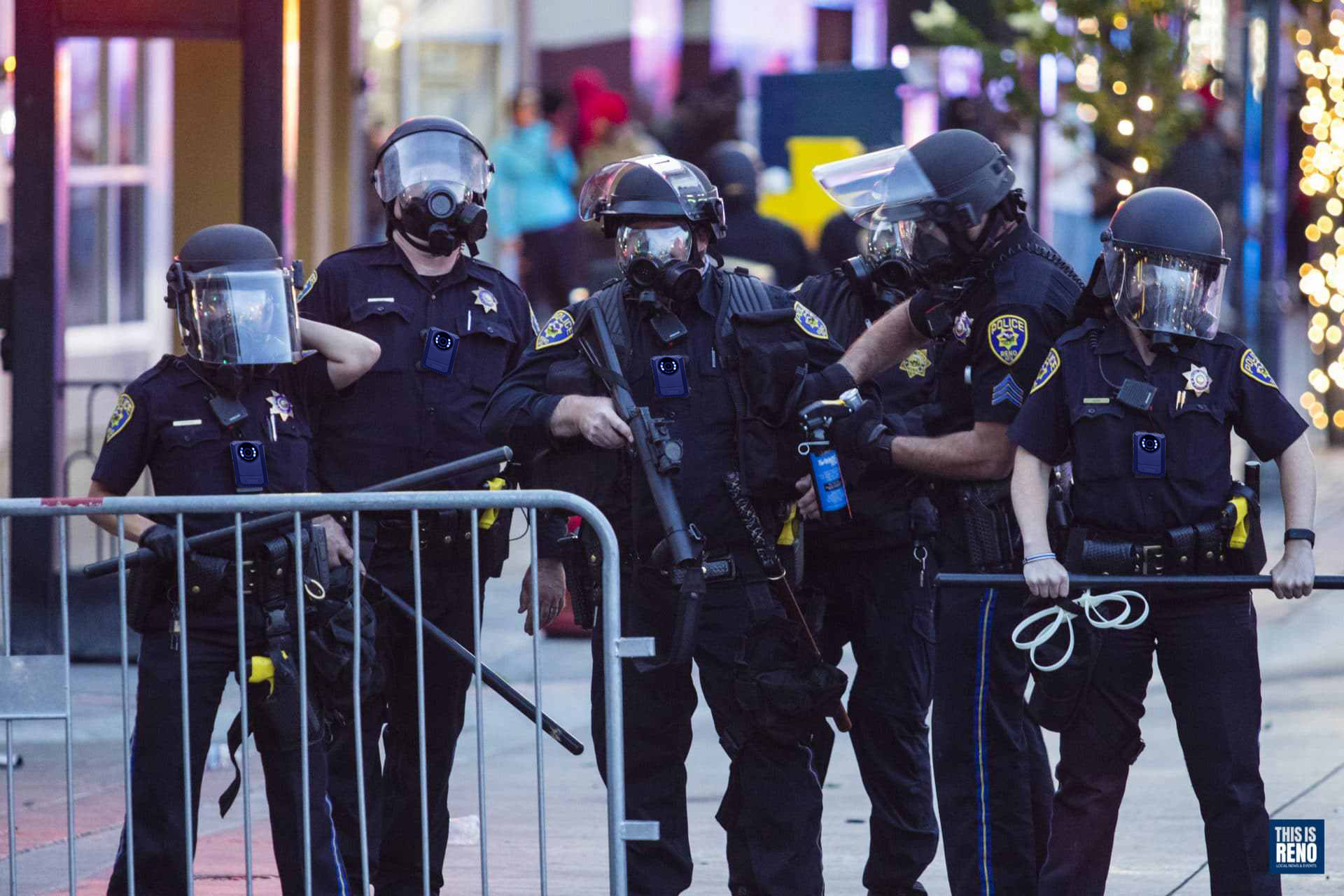
The use of body cameras has expanded rapidly in recent years, driven by public demand for greater police accountability and technological advancements that make these devices more accessible. In the United States, for example, over 80% of large police departments have implemented body camera programs, with similar trends observed globally in countries like the United Kingdom, Canada, and Australia. This widespread adoption reflects a recognition of the benefits body cameras offer, including improved evidence collection, reduced use-of-force incidents, and enhanced public trust.
However, the journey toward universal adoption is far from complete. Smaller police departments and rural agencies often face financial and logistical barriers to implementing body camera programs. As costs decrease and funding opportunities increase, the future will likely see even broader adoption, making body cameras a standard tool for law enforcement worldwide.
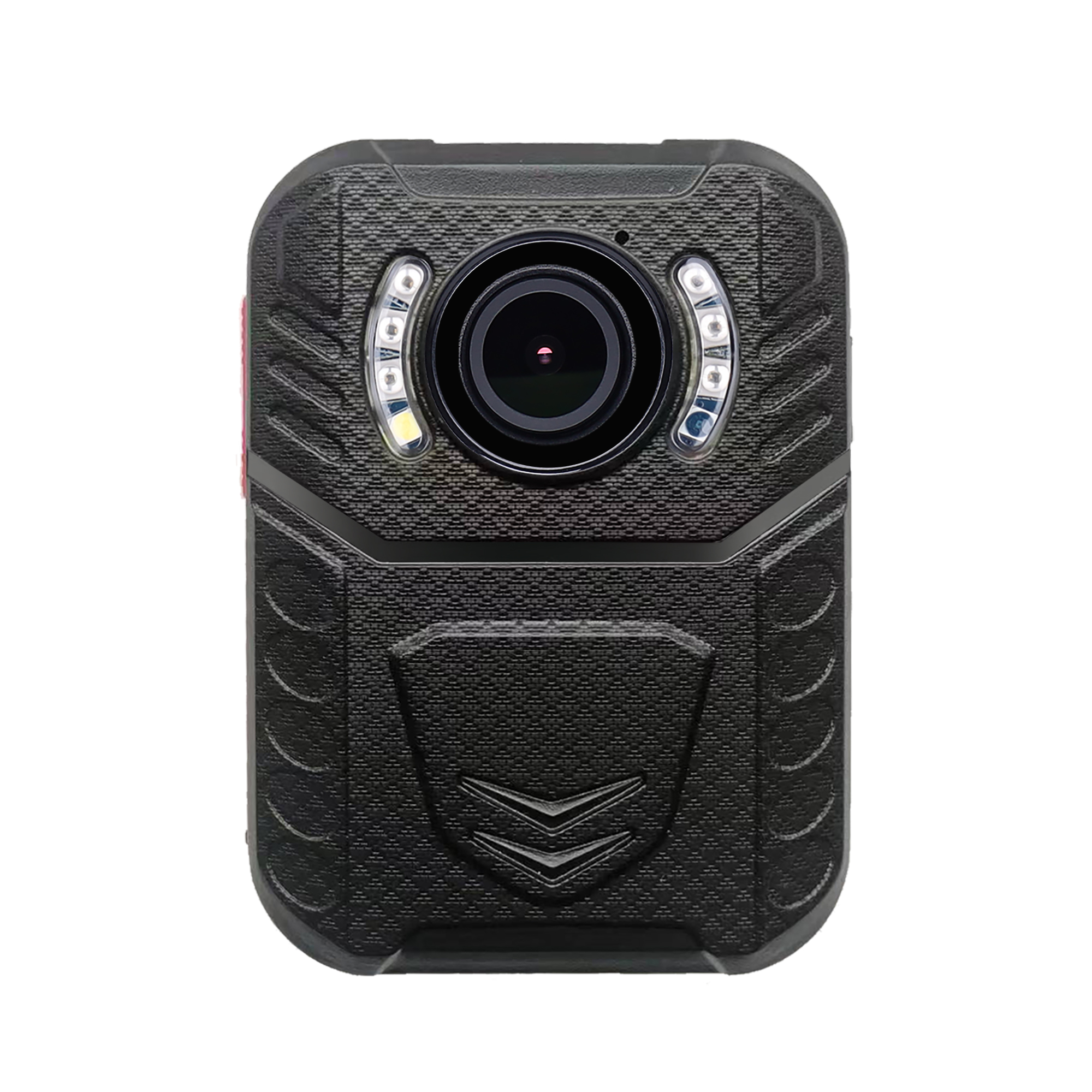
The future of body cameras is closely tied to technological innovation. Current devices already offer high-definition video, night vision, and long battery life, but emerging technologies promise to take these capabilities even further. One of the most significant advancements is the integration of artificial intelligence (AI) into body cameras. AI-powered cameras can analyze footage in real time, flagging potential issues such as aggressive behavior, weapons, or suspicious activity. This capability could enable officers to respond more effectively to dynamic situations while also providing supervisors with valuable insights for training and evaluation.
Another promising development is the use of facial recognition technology in body cameras. While controversial, this feature could help identify suspects or missing persons in real time, potentially improving public safety. However, the ethical and privacy implications of facial recognition must be carefully addressed to prevent misuse and ensure compliance with legal standards.
Additionally, advancements in data storage and transmission are set to revolutionize how body camera footage is managed. Cloud-based storage solutions and 5G connectivity will allow for seamless uploading, sharing, and analysis of footage, reducing the burden on local storage systems and enabling faster access to critical evidence.
Despite their potential, body cameras are not without challenges. One of the most pressing issues is privacy. Recording interactions in public spaces raises concerns about the privacy of bystanders, while footage captured in private homes or sensitive locations can infringe on individuals' rights. Striking a balance between transparency and privacy will require robust policies, such as redaction technology to blur faces and strict guidelines on when and where cameras can be activated.
Another challenge is the potential for misuse or selective recording. Officers may intentionally deactivate cameras during controversial incidents, undermining the purpose of the devices. To address this, future body cameras could incorporate automatic activation features, triggered by specific events such as the drawing of a weapon or the activation of a patrol car's emergency lights.
Ethical considerations also extend to the use of AI and facial recognition in body cameras. Bias in AI algorithms could lead to discriminatory practices, while the widespread use of facial recognition could erode civil liberties. Policymakers, technologists, and law enforcement agencies must work together to establish ethical guidelines and oversight mechanisms to prevent abuse.
Body cameras are not a panacea for the challenges facing law enforcement, but they can play a pivotal role in broader justice reform efforts. By providing an objective record of interactions, these devices can help hold officers accountable for misconduct while also protecting them from false accusations. This dual benefit fosters trust between law enforcement and the communities they serve, which is essential for effective policing.
Moreover, body camera footage can serve as a valuable tool for training and education. By analyzing real-world interactions, agencies can identify areas for improvement and develop strategies to de-escalate conflicts, reduce bias, and enhance officer safety. This proactive approach to training can lead to more professional and effective policing.
While much of the discussion around body cameras focuses on the United States, these devices are gaining traction worldwide. In the United Kingdom, for example, body cameras are widely used by police forces, and studies have shown a reduction in complaints against officers when cameras are present. In countries like Brazil and South Africa, where police corruption and violence are significant issues, body cameras are seen as a potential solution to improve accountability and restore public trust.
However, the implementation of body cameras in different cultural and legal contexts presents unique challenges. In authoritarian regimes, for instance, there is a risk that body cameras could be used to surveil and oppress citizens rather than promote transparency. International organizations and human rights advocates must work to ensure that body cameras are used responsibly and in alignment with democratic values.
The future of body cameras in law enforcement is bright but complex. As technology continues to evolve, these devices will become more sophisticated, offering new capabilities and opportunities for improving policing. However, realizing the full potential of body cameras will require addressing significant challenges, from privacy concerns to ethical dilemmas.
To navigate this path, collaboration is essential. Law enforcement agencies, policymakers, technologists, and community members must work together to develop policies and practices that maximize the benefits of body cameras while minimizing their risks. Public input and transparency will be critical in building trust and ensuring that these devices are used in ways that align with societal values.
Body cameras have already transformed policing in profound ways, and their impact will only grow in the coming years. As technology advances and societal expectations evolve, these devices will play an increasingly important role in promoting accountability, transparency, and trust in law enforcement. However, the future of body cameras is not without challenges. Addressing privacy concerns, ethical dilemmas, and implementation barriers will be essential to realizing their full potential. By embracing innovation and fostering collaboration, we can ensure that body cameras continue to serve as a force for good in the pursuit of justice and public safety.
The use of body cameras has expanded rapidly in recent years, driven by public demand for greater police accountability and technological advancements that make these devices more accessible. In the United States, for example, over 80% of large police departments have implemented body camera programs, with similar trends observed globally in countries like the United Kingdom, Canada, and Australia. This widespread adoption reflects a recognition of the benefits body cameras offer, including improved evidence collection, reduced use-of-force incidents, and enhanced public trust.
However, the journey toward universal adoption is far from complete. Smaller police departments and rural agencies often face financial and logistical barriers to implementing body camera programs. As costs decrease and funding opportunities increase, the future will likely see even broader adoption, making body cameras a standard tool for law enforcement worldwide.
The future of body cameras is closely tied to technological innovation. Current devices already offer high-definition video, night vision, and long battery life, but emerging technologies promise to take these capabilities even further. One of the most significant advancements is the integration of artificial intelligence (AI) into body cameras. AI-powered cameras can analyze footage in real time, flagging potential issues such as aggressive behavior, weapons, or suspicious activity. This capability could enable officers to respond more effectively to dynamic situations while also providing supervisors with valuable insights for training and evaluation.
Another promising development is the use of facial recognition technology in body cameras. While controversial, this feature could help identify suspects or missing persons in real time, potentially improving public safety. However, the ethical and privacy implications of facial recognition must be carefully addressed to prevent misuse and ensure compliance with legal standards.
Additionally, advancements in data storage and transmission are set to revolutionize how body camera footage is managed. Cloud-based storage solutions and 5G connectivity will allow for seamless uploading, sharing, and analysis of footage, reducing the burden on local storage systems and enabling faster access to critical evidence.
Despite their potential, body cameras are not without challenges. One of the most pressing issues is privacy. Recording interactions in public spaces raises concerns about the privacy of bystanders, while footage captured in private homes or sensitive locations can infringe on individuals' rights. Striking a balance between transparency and privacy will require robust policies, such as redaction technology to blur faces and strict guidelines on when and where cameras can be activated.
Another challenge is the potential for misuse or selective recording. Officers may intentionally deactivate cameras during controversial incidents, undermining the purpose of the devices. To address this, future body cameras could incorporate automatic activation features, triggered by specific events such as the drawing of a weapon or the activation of a patrol car's emergency lights.
Ethical considerations also extend to the use of AI and facial recognition in body cameras. Bias in AI algorithms could lead to discriminatory practices, while the widespread use of facial recognition could erode civil liberties. Policymakers, technologists, and law enforcement agencies must work together to establish ethical guidelines and oversight mechanisms to prevent abuse.
Body cameras are not a panacea for the challenges facing law enforcement, but they can play a pivotal role in broader justice reform efforts. By providing an objective record of interactions, these devices can help hold officers accountable for misconduct while also protecting them from false accusations. This dual benefit fosters trust between law enforcement and the communities they serve, which is essential for effective policing.
Moreover, body camera footage can serve as a valuable tool for training and education. By analyzing real-world interactions, agencies can identify areas for improvement and develop strategies to de-escalate conflicts, reduce bias, and enhance officer safety. This proactive approach to training can lead to more professional and effective policing.
While much of the discussion around body cameras focuses on the United States, these devices are gaining traction worldwide. In the United Kingdom, for example, body cameras are widely used by police forces, and studies have shown a reduction in complaints against officers when cameras are present. In countries like Brazil and South Africa, where police corruption and violence are significant issues, body cameras are seen as a potential solution to improve accountability and restore public trust.
However, the implementation of body cameras in different cultural and legal contexts presents unique challenges. In authoritarian regimes, for instance, there is a risk that body cameras could be used to surveil and oppress citizens rather than promote transparency. International organizations and human rights advocates must work to ensure that body cameras are used responsibly and in alignment with democratic values.
The future of body cameras in law enforcement is bright but complex. As technology continues to evolve, these devices will become more sophisticated, offering new capabilities and opportunities for improving policing. However, realizing the full potential of body cameras will require addressing significant challenges, from privacy concerns to ethical dilemmas.
To navigate this path, collaboration is essential. Law enforcement agencies, policymakers, technologists, and community members must work together to develop policies and practices that maximize the benefits of body cameras while minimizing their risks. Public input and transparency will be critical in building trust and ensuring that these devices are used in ways that align with societal values.
Body cameras have already transformed policing in profound ways, and their impact will only grow in the coming years. As technology advances and societal expectations evolve, these devices will play an increasingly important role in promoting accountability, transparency, and trust in law enforcement. However, the future of body cameras is not without challenges. Addressing privacy concerns, ethical dilemmas, and implementation barriers will be essential to realizing their full potential. By embracing innovation and fostering collaboration, we can ensure that body cameras continue to serve as a force for good in the pursuit of justice and public safety.
The Role of Body Cameras in Modern Policing
International Perspectives on Body-Worn Cameras