How to reduce retail loss prevention costs with body worn cameras?
1. Where portable cameras catch what CCTV can't
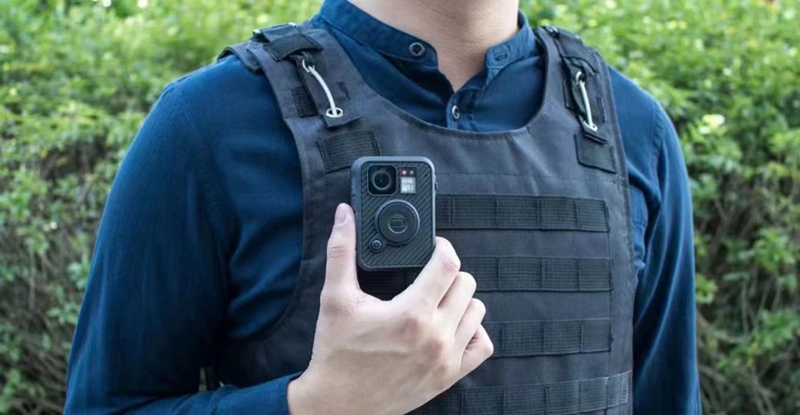
- Organised theft sweeps — crews block the overhead lens while filling bags. A staff member's chest camera records faces and actions at arm's length.
- Refund and "sweethearting" fraud at the till — fixed cameras show hands moving, but not what was scanned or said. A supervisor's camera captures both.
- Back-of-house and loading docks — usually one fixed camera, or none. The receiving clerk's camera covers every corner during the delivery window.
- Abusive incidents — video without audio rarely supports a prosecution. A wearable camera records words and tone, which is what a case actually needs.
2. Deterrence: what the evidence says
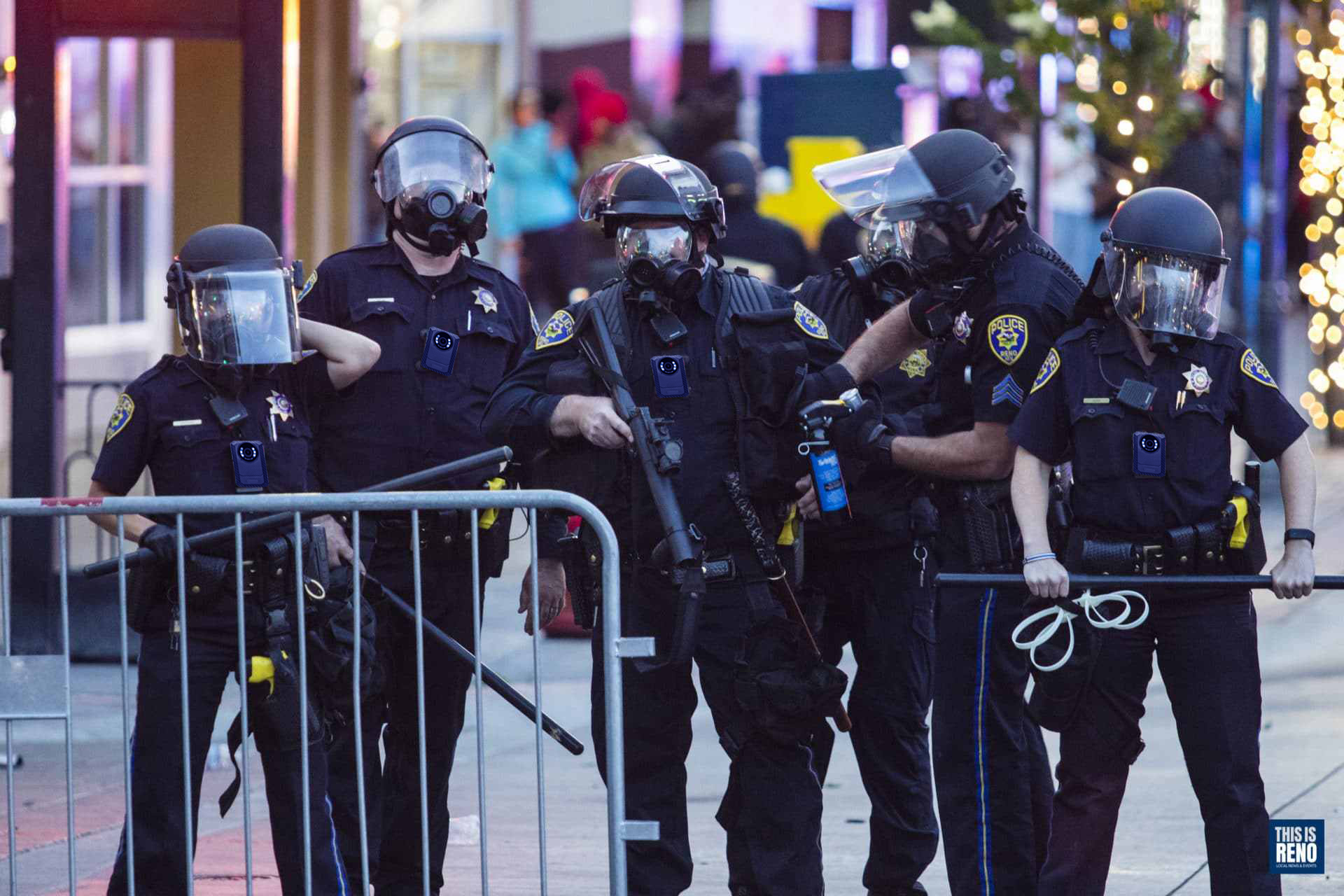
The strongest research comes from police body cameras: when people know they're being recorded, behaviour changes — studies consistently show fewer complaints and confrontations. Retail pilots report similar results: when staff wear a visible camera, most confrontations de-escalate before they start.
One honest caveat: deterrence is invisible by definition — the theft that never happens leaves no record. So track three things: incidents in covered zones, stock loss in covered categories, and staff-reported near-misses (this one moves first).
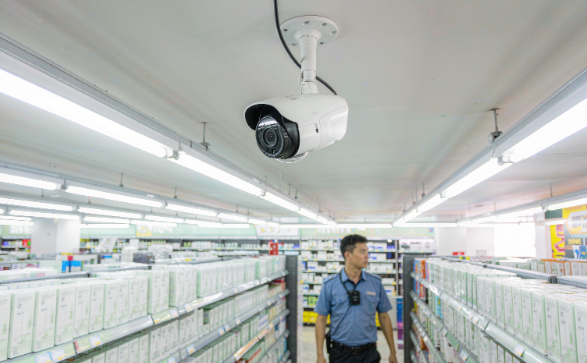
Two layers: fixed camera for context, portable camera for detail.
3. A simple ROI check
Addressable loss: store revenue × 1.6% shrink × share in covered zones
Break-even: preventing just 10–20% of that loss pays back within a year
Example: a $2M store with average shrink loses $32,000 a year. If 60% of it falls inside portable-camera zones and the programme prevents only 20%, that's $3,840 saved against a ~$2,000 one-off cost — payback in about 6 months, before counting the hours saved on footage reviews and the staff who don't quit.
4. Working with CCTV, not replacing it
Don't rip out your CCTV — the two systems answer different questions:
- CCTV proves what happened in a space — wide, continuous, no audio.
- A portable camera proves who did it and what was said — close-up, with audio, from the wearer's viewpoint.
At end of shift, cameras dock automatically and footage uploads with AES256 encryption and access logs. Matching body-cam clips to the NVR timeline turns one incident into one clean case file: the wide shot, the close shot and the conversation, in order.
Recommended for retail
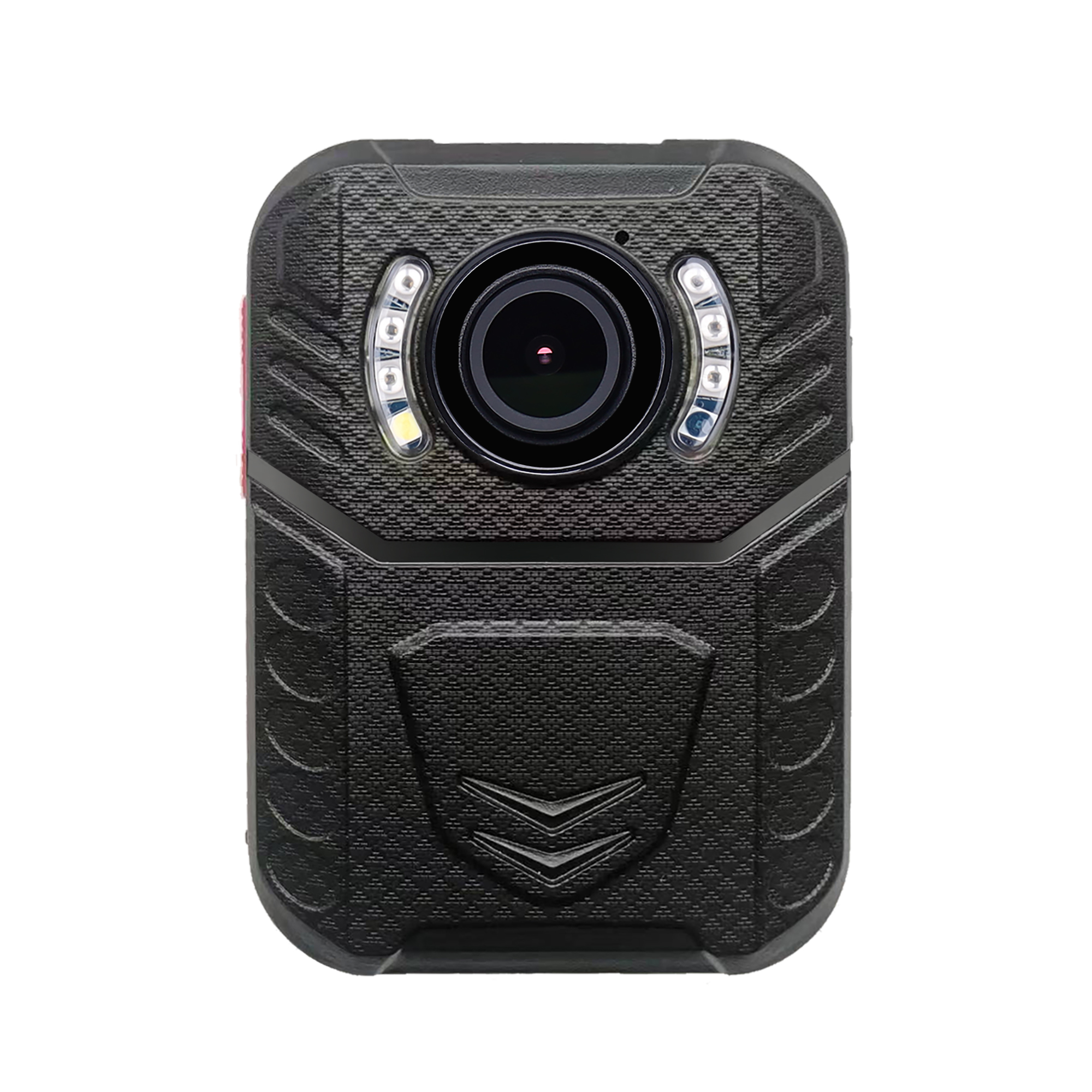
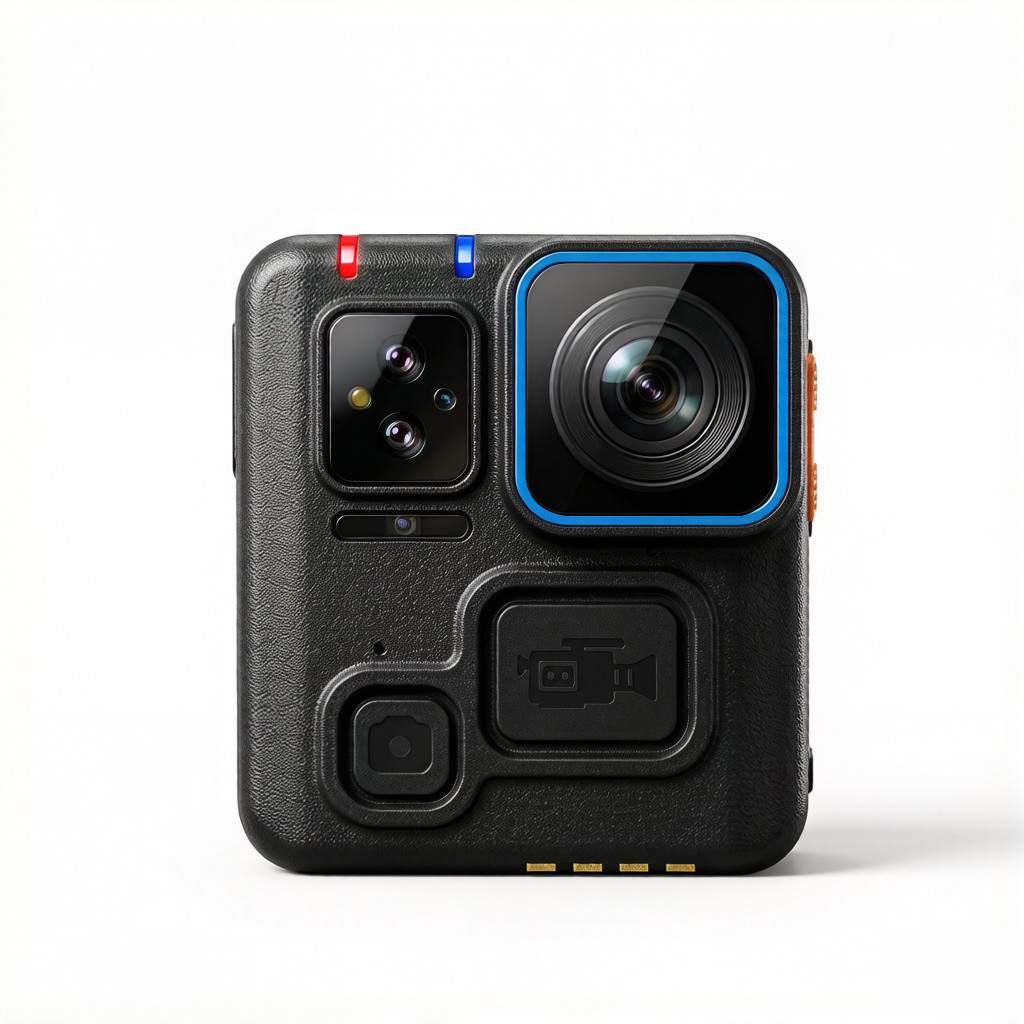
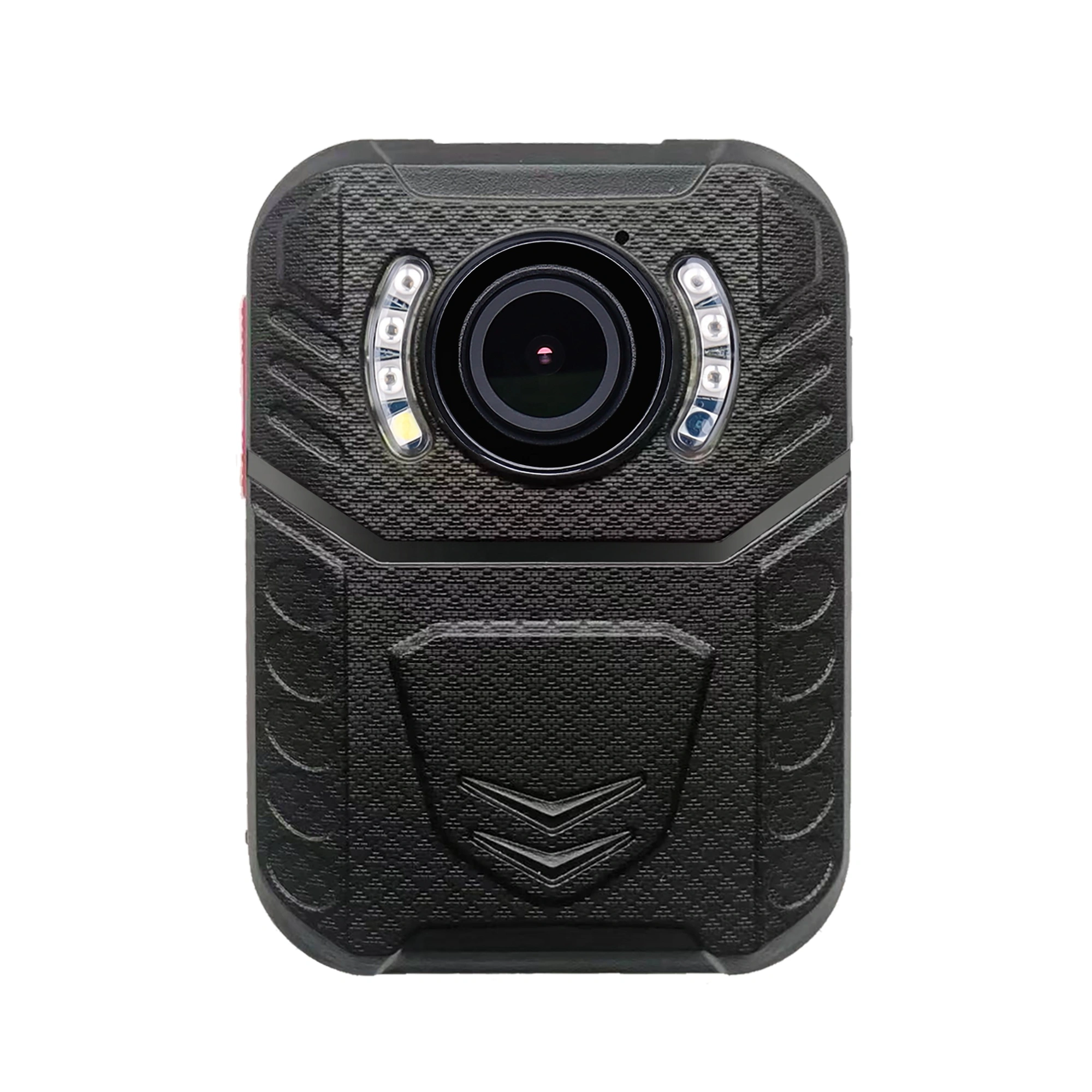
- EEYELOG X7 — mini body worn camera with WiFi, GPS and IR night vision; light enough for front-line floor staff.
- EEYELOG X4K1 — 4K camera with motion detection for loss prevention officers and high-risk zones.
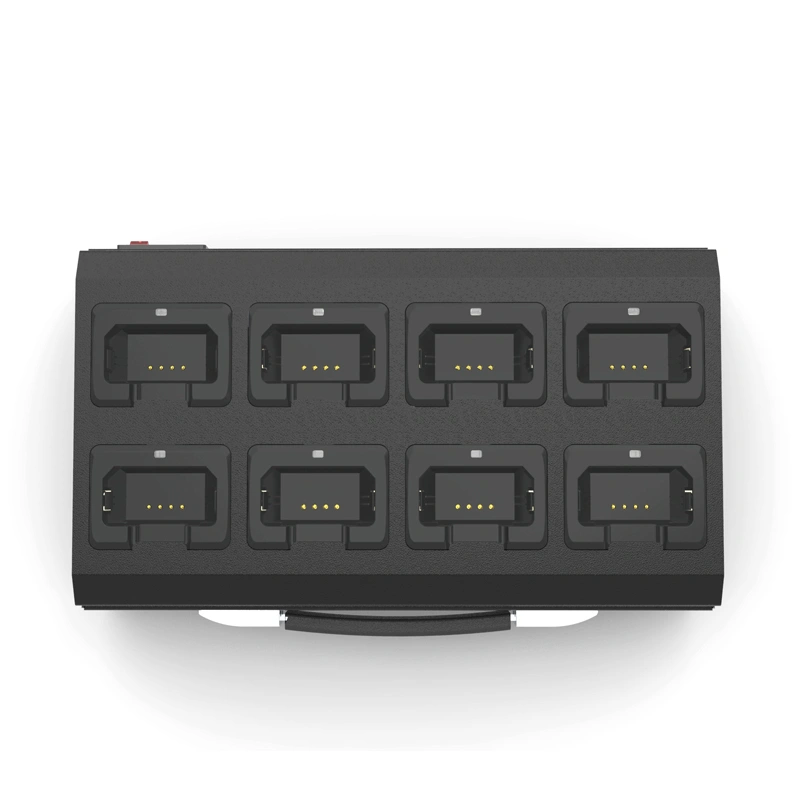
- EEYELOG DS-2 Pro — 8-port docking station; charges and uploads all shift footage in one action.
Tell us your store count and shift pattern — we'll send a hardware recommendation and a simple sizing sheet.
Request a quote
The Emerging Role of AI in Law Enforcement